Here’s the some sweet’s delicacies native recipes of Filipino desserts. Enjoy instantly they can be found in the Philippines street’s
- Taho

Taho is not a very common dessert because traditionally, it is peddled by street vendors carrying two aluminum buckets via a yoke. Usually sold from as early as dawn, when the warm concoction is perfect for cool early mornings, the three-ingredient snack is made by mixing together soft tofu, arnibal (a syrup made of brown sugar and water), and sago pearls. To get a taste of this sweet Filipino favorite, keep an earout for the peddlers’ ringing calls of “Tahooooo!”, and hail him over for a warm cup.
Is Taho good for the body?
It can enhance the skin and hair, boost energy, and help maintain a healthy weight. Research has linked tofu, with its high levels of isoflavones, to a lower risk of several age- and lifestyle-related diseases.
2. Puto
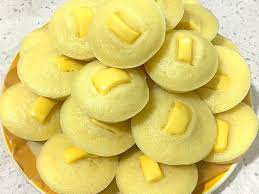
Puto are Filipino steamed rice cakes, traditionally made from slightly fermented rice dough. It is eaten as is or as an accompaniment to a number of savoury dishes. Puto is also an umbrella term for various kinds of indigenous steamed cakes, including those made without rice. It is a sub-type of kakanin.
In fact, it’s a sweet steamed rice cake, perfect for accompanying savory dishes like dinuguan (pork blood stew). Aside from the (white) original, this spongy snack now comes in a variety of flavors, from pandan to ube to cheese, which make for a vibrantly colorful display when sold in stores.
3. Halo-Halo
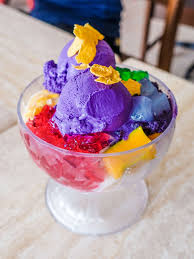
Halo-halo, also spelled halu-halo, is a popular Filipino cold dessert which is a concoction of crushed ice, evaporated milk and various ingredients including, among others, ube, sweetened beans, coconut …
The infamous halo-halo is an easy crowd-pleaser. From locals to tourists, everybody loves a tall glass of… well, everything. “Halo” is the Tagalog word for “mix”. So this complex dessert’s name is literally “mix-mix”, because it’s exactly what the diner has to do to be able to enjoy it in all its deliciousness. Halo-halo is a mélange of crushed ice, nata de coco, beans, sago pearls, jelly, sweetened saba banana, sweet potato, coconut, ube (purple yam) jam, evaporated milk, leche flan, ube ice cream, jackfruit, and fried pinipig . How’s that for complex.
4. Buko Pandan
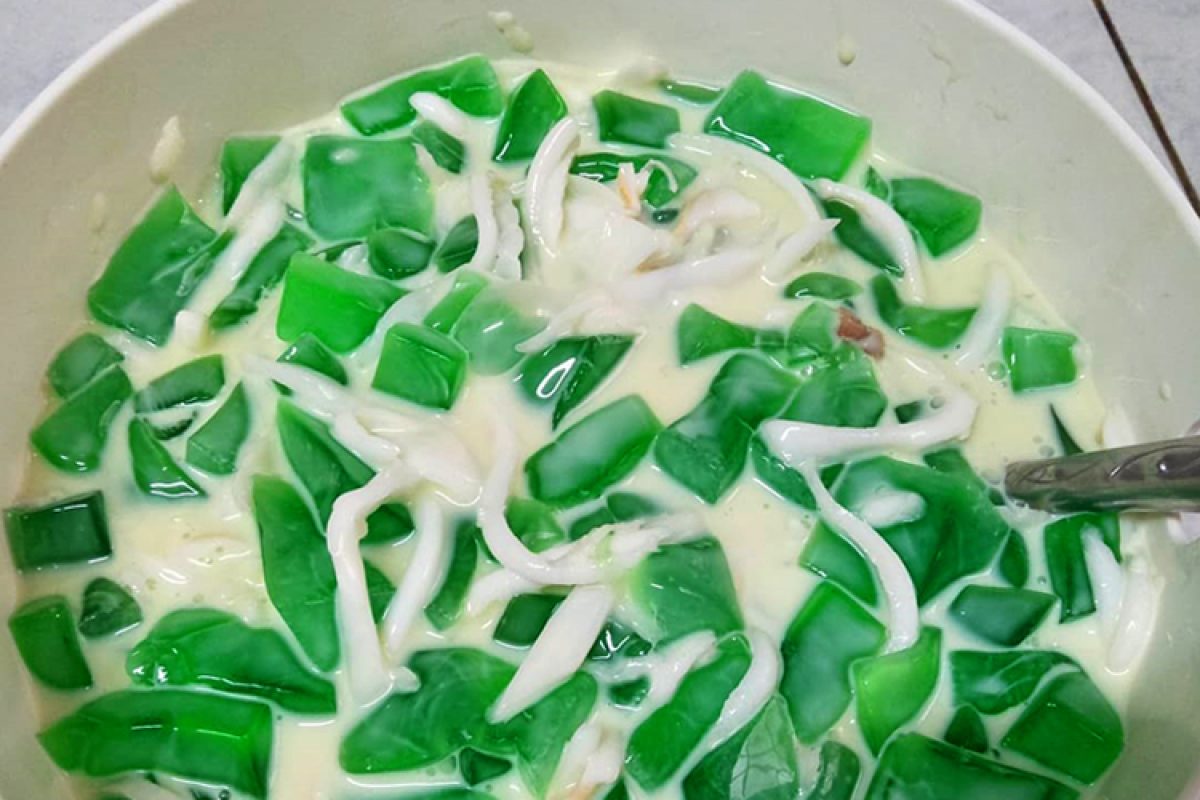
Buko salad, usually anglicized as young coconut salad, is a Filipino fruit salad dessert made from strips of fresh young coconut with sweetened milk or cream and various other ingredients. It is one of the most popular and ubiquitous Filipino desserts served during celebrations and fiestas.
This dessert is as simple as it is delicious. With only five ingredients, Filipinos have managed to make a tropically perfect treat. Its most basic recipe only calls for shredded young coconut, pandan (screwpine) leaves, gelatin, cream and condensed milk. The result is a creamy, aromatic dessert, with chunks of pandan-flavored gelatin, especially delicious when served cold on a hot Philippine day.
5. Leche Flan/Quesillo
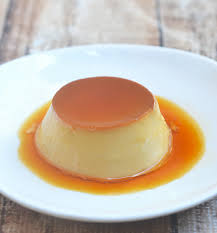
Crème caramel, flan, or caramel custard is a custard dessert with a layer of clear caramel sauce, contrasted with crème brûlée which is custard with a hard caramel layer on top.
Leche flan is the Philippines’ version of caramel pudding. With many varieties found all over the world, this won’t seem all that new to many. What people can expect from the Philippine version however, is its daring sweetness and richness that create a silky heaven for the palate.
-Jc Paul Oletris -Member of Group4gwapo
 "WAY KUWARTA FOOD BLOG"